July 2, 2026
Painting a home's exterior is a significant property investment that dramatically enhances curb appeal while defending the structural integrity of your residence. Executing a successful painting project requires an organized framework, blending careful timing, surface preparations, and targeted application techniques. Homeowners must approach this project methodically to ensure the final finish remains beautiful and resilient for decades. Selecting the right materials and balancing the logistical demands of climate and scheduling can mean the difference between a premature failure and a long-lasting, lustrous coat.
To realize the full aesthetic and defensive potential of your investment, each phase of the project must be executed in a logical sequence. According to This Old House, different variables, such as climate, can affect how long an exterior paint job lasts, but most paint lasts for about 15 years. This longevity is heavily contingent upon meticulous workmanship and atmospheric cooperation during the initial application. By following an optimized timeline, you establish a high-performance barrier that safeguards your home against continuous degradation, preserving your peace of mind and your home's equity.
Evaluating Regional Climates and Optimizing Project Schedules
Securing an enduring finish depends entirely on choosing the ideal weather conditions for paint application and curing. Painting should ideally take place during mild, dry periods when ambient temperatures consistently hover between 50F and 85F, as extreme heat or unexpected cold snaps severely disrupt how paint film adheres and cures. High humidity slows the evaporation of moisture from water-based paints, while direct, intense sunlight can cause the wet film to dry too rapidly, resulting in unsightly blistering, bubbling, and uneven lap marks. Monitoring local meteorology patterns several weeks in advance allows you to pinpoint the perfect window, minimizing environmental interruptions.
Regional climates also dictate how frequently a building requires repainting and what specialized formulas are necessary to combat local environmental stressors. For instance, coastal residences endure constant exposure to high salinity and moisture, demanding robust, anti-corrosive, and moisture-resistant paint systems, whereas properties in arid, high-UV regions require exceptional color-retention capabilities to prevent premature fading. Consulting an experienced exterior painting contractor helps in choosing products tailored explicitly to these localized climatic forces, ensuring your financial investment holds up over time. Regular inspections remain crucial, as proactive touch-ups can prevent minor environmental wear from developing into extensive structural rot or substrate damage.
Constructing a resilient schedule involves charting your workflow across several weeks to give preparatory and curing steps the dedicated time they require. Your project timeline should explicitly account for initial substrate diagnostics, structural repairs, washing, detailing, priming, and the multi-layered paint applications themselves, while also building in realistic buffer days for sudden weather changes. Integrating this process with your seasonal home maintenance routine, such as gutter cleanings or roof inspections, maximizes resource efficiency and ensures the building envelope is fully sealed before any paint touches the surface. A balanced approach to scheduling values thoroughness over haste, paving the way for consistent, professional-grade results.
Inspecting Substrates and Sourcing Performance Materials
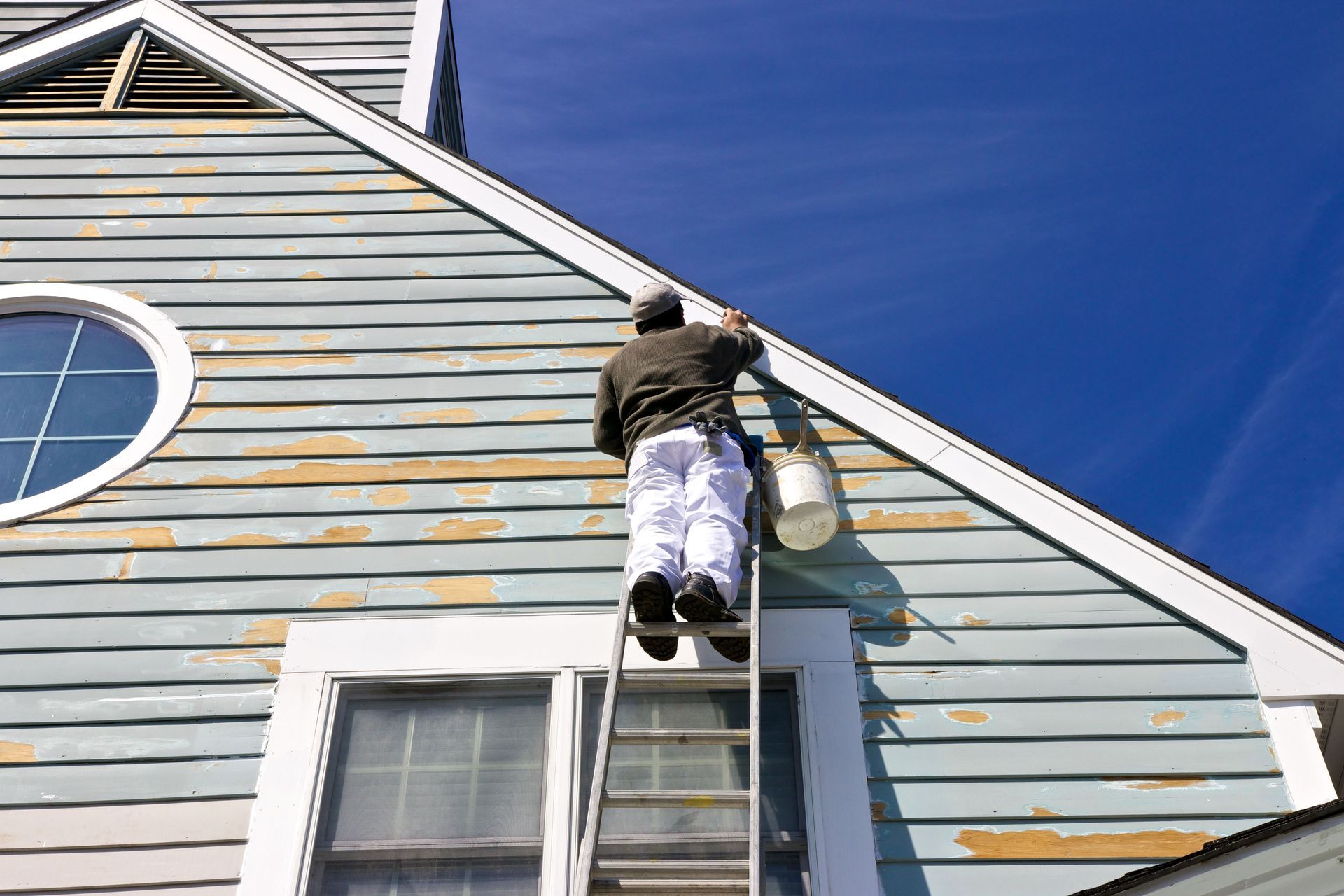
A comprehensive inspection of the home's outer shell forms the bedrock of any successful painting initiative, uncovering underlying flaws that could compromise the new finish. Homeowners should systematically examine every square foot of siding, trim, fascia, and soffit, looking closely for signs of rot, wood splitting, warped panels, or active mildew growth. Documenting these problem areas with detailed photographs helps prioritize essential carpentry repairs, ensuring that you never apply a fresh coat over a compromised or decaying foundation. Resolving these substrate defects before paint application prevents moisture from becoming trapped within the walls, which would otherwise trigger premature peeling and bubbling.
Selecting the optimal paint formulation involves balancing aesthetic goals with long-term performance attributes and environmental sustainability. Modern exterior coatings include high-quality acrylic latex, oil-based products, and specialized elastomeric options, each offering unique strengths regarding flexibility, breathability, and adhesion. Opting for low-VOC, high-solids formulas delivers superior hide and durability, allowing the coating to expand and contract naturally alongside seasonal temperature fluctuations without cracking. Testing color samples on multiple sides of the house lets you observe how different lighting conditions affect the hue throughout the day, guaranteeing complete satisfaction with the final design scheme.
Executing Surface Preparations and Finishing Techniques
Thorough surface preparation is indisputably the most critical phase of the entire painting process, directly influencing how effectively the new topcoat binds to the substrate. The process begins with a meticulous pressure washing to strip away layers of accumulated chalk, dirt, pollutants, and organic growth, followed by manual scraping and sanding to remove loose, flaking paint. Applying high-performance, exterior-grade caulk to gaps around windows, doors, and trim joints seals out moisture and drafts, while specialized primers block wood tannins and rust from bleeding through. Skipping or rushing these prep steps will inevitably lead to adhesion failure, regardless of how expensive or advanced the chosen topcoat formulation is.
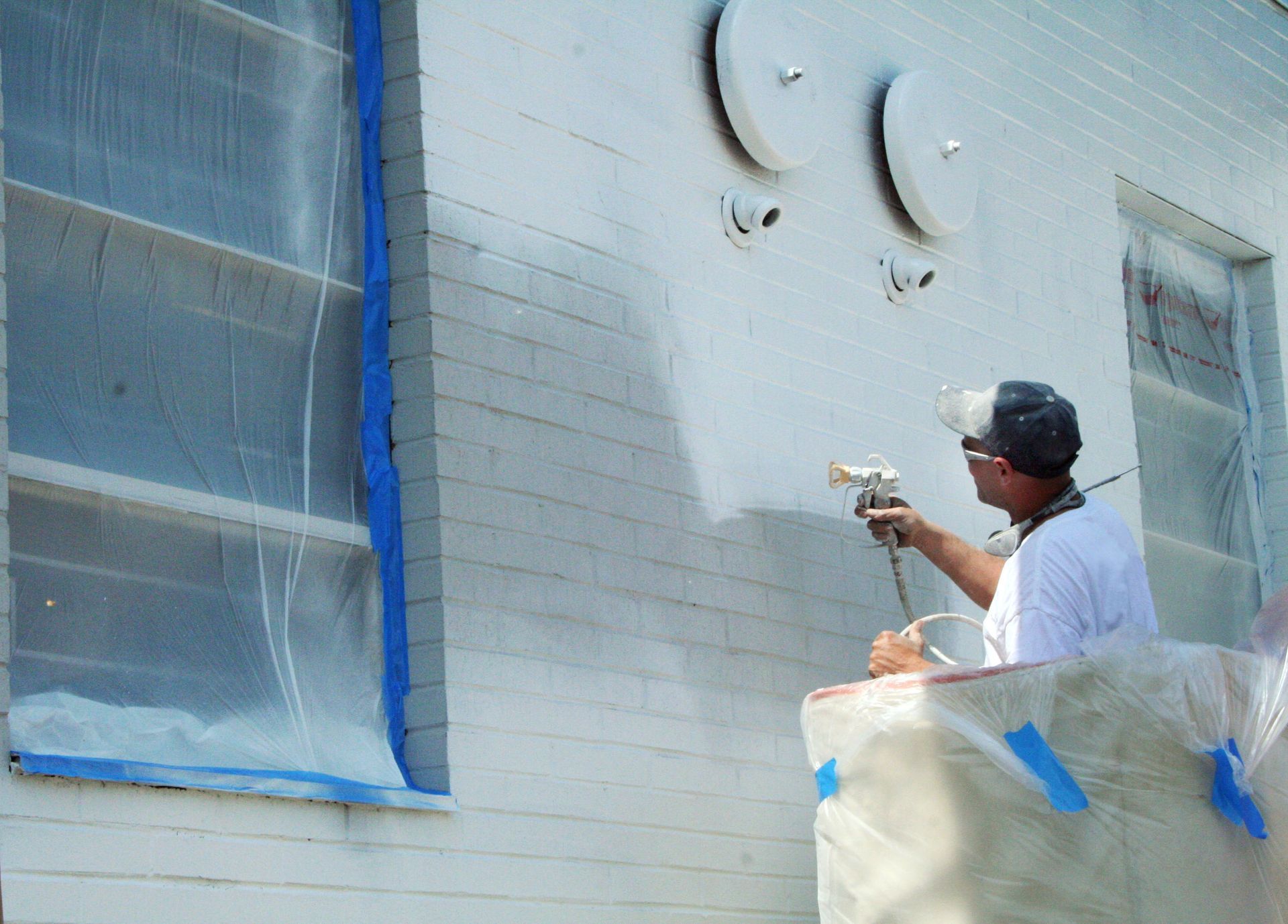
Once the preparation work has fully dried, the application phase can proceed using systematic techniques designed to achieve a deep, uniform color and film thickness. Painters generally work from top to bottom and left to right, maintaining a wet edge to avoid obvious lap marks and structural banding across large siding panels. Utilizing an airless sprayer allows for rapid, efficient coverage over extensive areas, which is then immediately followed by back-rolling to force the paint deep into the pores and textures of the substrate. Applying two full coats of premium exterior paint provides the necessary film thickness to withstand wind-driven rain, abrasive dust, and intense UV degradation over its lifespan.
Analyzing Financial Planning and Contractor Selection Processes
Formulating a detailed budget is a vital administrative step that ensures your home improvement goals remain aligned with your available financial resources. A comprehensive budget must accurately account for the total square footage of the exterior, the volume of premium primer and paint required, specialized tool rentals, and necessary structural repairs. Allocating a dedicated contingency fund of roughly ten to fifteen percent provides a critical safety net for handling hidden structural damages or unexpected supply needs without halting project momentum. Maintaining a structured financial spreadsheet keeps your expenditures transparent, helping you evaluate where to invest in premium materials and where to conserve.
Determining whether to embark on a challenging do-it-yourself venture or secure professional assistance depends heavily on your personal technical expertise, physical stamina, and available free time. While a DIY approach offers personal satisfaction and reduces immediate labor costs, it demands an immense time commitment and introduces safety risks associated with working on high ladders and scaffolding. Conversely, contracting a certified exterior painting contractor ensures access to seasoned crews who complete the project quickly, safely, and to an exceptionally high standard. Professionals also possess deep knowledge regarding proper product compatibility and local building regulations, minimizing the risk of costly application mistakes.
Implementing Comprehensive Weatherproofing and Maintenance Protocols
Integrating advanced weatherproofing protocols into your painting project is essential for maximizing the lifespan of the exterior coating and defending the structural envelope. Weatherproofing involves identifying and sealing systemic vulnerabilities where moisture infiltration, air leaks, or pest intrusion could occur over time. Installing high-quality flashings above windows and doors directs rainwater away from vulnerable joints, while backing materials stabilize expansion cracks in stucco or masonry substrates. These protective actions reinforce the paint layer, preventing water from getting behind the coating and causing widespread blistering, wood rot, or internal mold growth.
Long-term preservation relies on establishing a consistent, proactive post-painting maintenance regimen that addresses environmental wear before it escalates into severe damage. Homeowners should perform comprehensive visual inspections at least twice a year, specifically checking for signs of settling cracks, localized fading, or perimeter caulking failure. Gently washing the exterior surfaces annually removes destructive environmental pollutants, bird droppings, and fungal spores that can slowly erode the paint's protective binders. Promptly addressing minor scuffs or hairline cracks with leftover matching paint keeps the primary moisture barrier intact, effectively extending the lifespan of the overall finish.
Partnering with a dedicated exterior painting contractor can greatly simplify these ongoing maintenance tasks through scheduled professional condition assessments and service check-ups. Experts can quickly diagnose subtle structural shifts or moisture retention issues that might escape the untrained eye, recommending targeted interventions to preserve the exterior's integrity. Staying ahead of minor maintenance needs protects your initial financial investment and ensures your home remains a source of visual pride and security. For more information about the services that we offer, reach out to our incredible team at Fast Eddie's Home Services LLC today!