March 9, 2026
Preparing for an exterior painting project is not merely about picking colors and finishing touches. It requires thorough planning and asking the right questions to ensure all details are covered to prevent unexpected challenges. By engaging proactively with your exterior painting contractor, you can safeguard your investment by saving time, money, and securing a high-quality result that enhances your home's curb appeal.
An essential element of pre-project planning is conducting comprehensive due diligence. Understanding all aspects of the project scope will lead to better decision-making and adherence to your budget and timeline. By asking important questions, you obtain clarity on services provided, guarantee a better outcome, and foster a relationship of trust and cooperation with your contractor.
This guide outlines pivotal questions to raise with your exterior painting contractor. These inquiries will guide you in gaining detailed insights into the scope of work, contractor credentials, painting process, cost negotiations, warranty, environmental considerations, and more. Equipped with this knowledge, homeowners can approach their painting project with confidence and precision.
1. Understanding the Scope of Work
Clarifying the Project Details
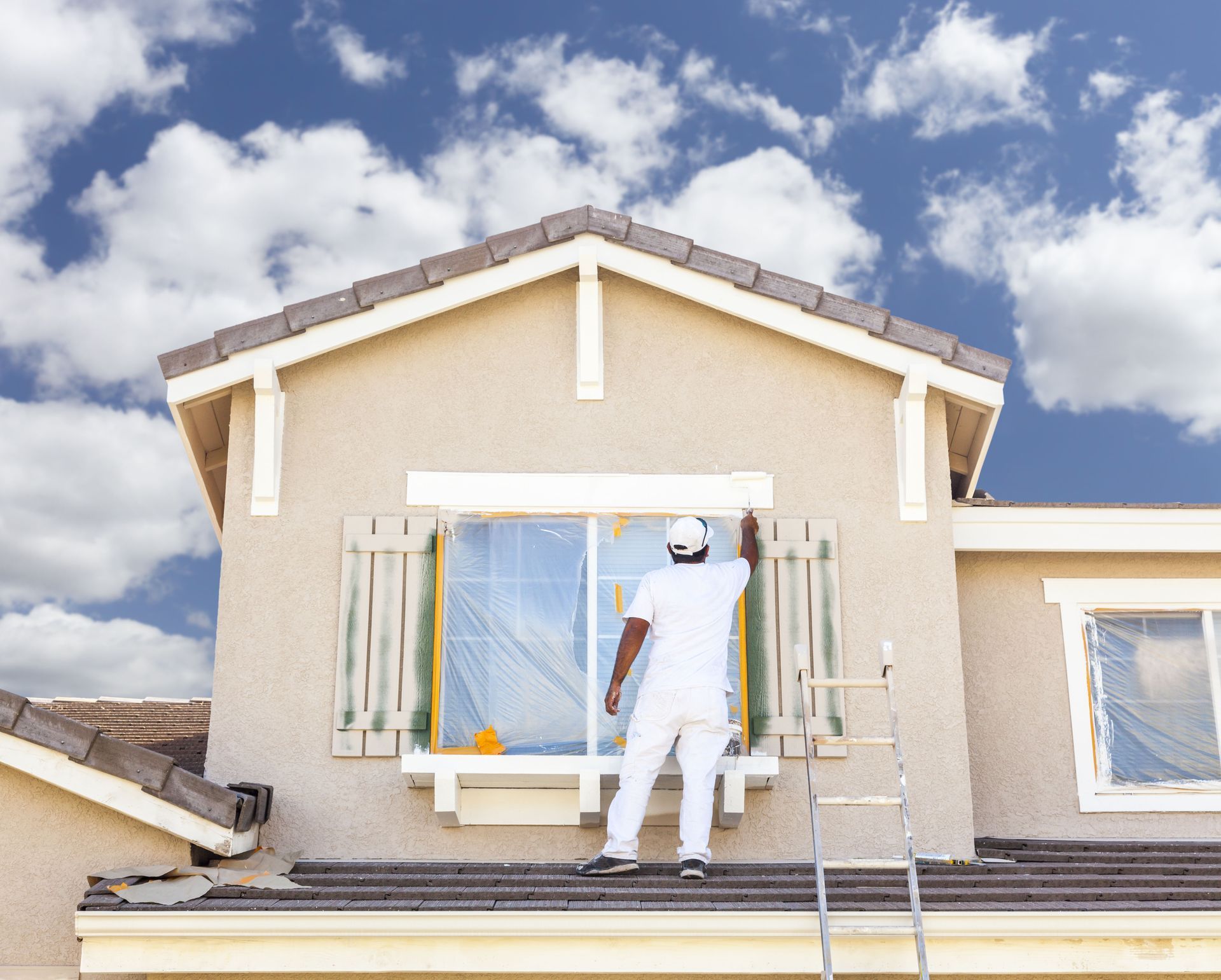
Before starting any exterior painting project, it's critical to understand the full scope of work involved. This includes discussing which specific areas will be painted, the types of surfaces involved, and addressing any special architectural features that need attention. A detailed conversation about these particulars will help avoid miscommunications and ensure both parties have aligned expectations. It's beneficial to document these conversations to provide a reference point should any discrepancies arise during the project. Clarity at this stage is crucial to ensuring the final outcome meets your satisfaction without surprises.
Discussing Surface Preparation
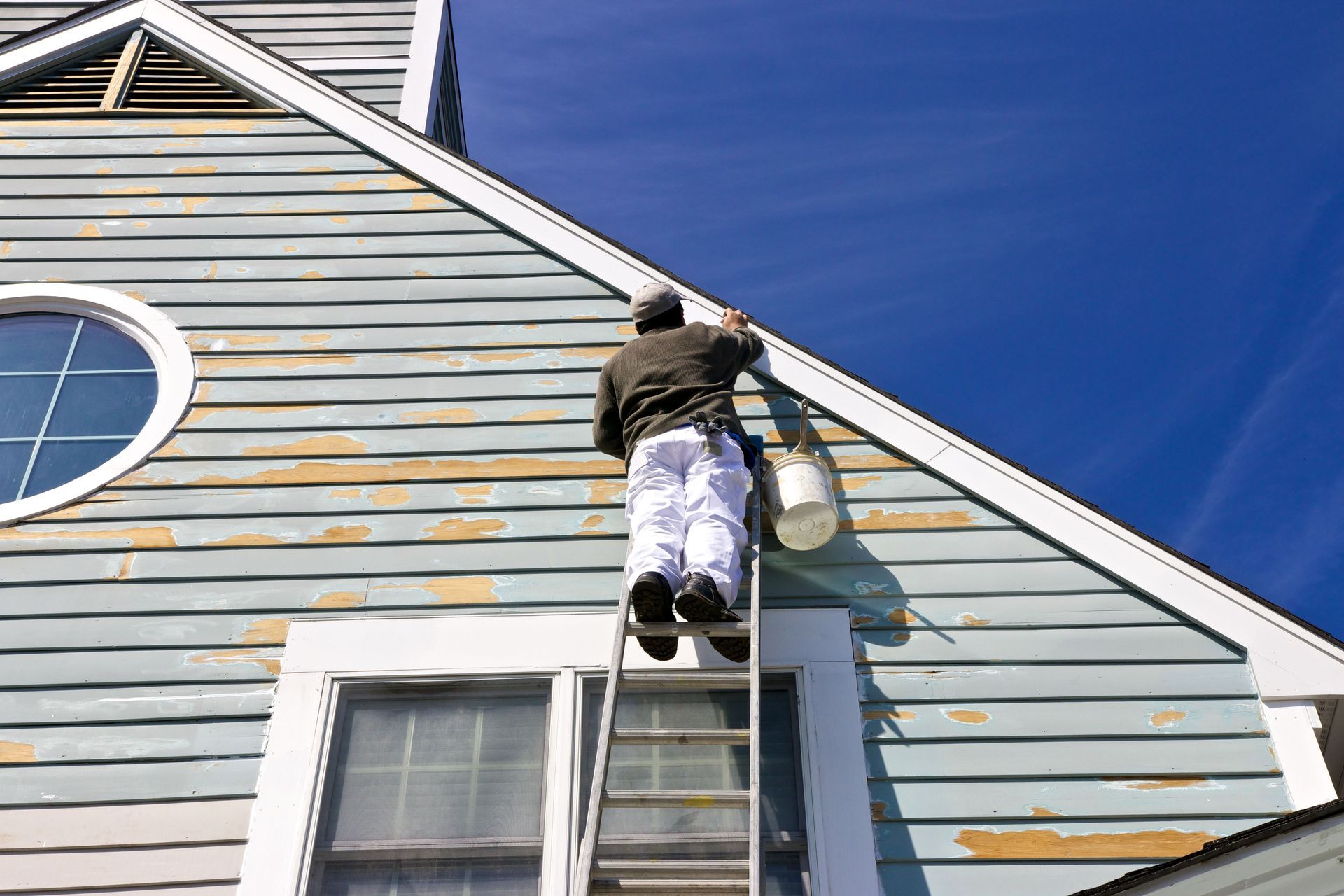
The first step to a successful paint job is thorough surface preparation. It's essential to ask your contractor how they plan to prepare your home's surfaces before exterior painting. Proper preparation might include cleaning, sanding, filling cracks, or priming, depending on the condition of the existing surfaces. This is vital because substrate preparation impacts the durability of the paint job – an ill-prepared surface can greatly reduce the lifespan of your paint. Make sure your contractor elaborates on their preparation process to ensure the paint adheres properly and lasts as expected.
Confirming the Number of Coats
Another important factor is understanding the number of coats your contractor plans to apply. Generally, a quality paint job will require at least two coats, and potentially more, depending on whether you are covering a dark color with a lighter one. Discussing this detail ensures that you know what to expect in terms of color consistency and coverage. According to This Old House, factors such as the climate can affect how long an exterior paint job lasts, typically around 15 years, making the quality of coats critical. Confirming the number of coats will help you gauge the completeness of the work and secure a durable outcome.
Setting Clear Deadlines
Setting a clear timeline for your exterior painting project is essential to manage expectations and ensure the project stays on track. To avoid frustrations resulting from extended disruptions, it's important to discuss and agree on a realistic schedule with your contractor. This should include a start and completion date, as well as interim milestones for major tasks. Keep in mind external factors such as weather can influence timeline flexibility. A clear timeline will provide you with peace of mind and minimize the stress of the project's impact on your daily routine.
2. Assessing Contractor Credentials
Checking Licensing and Insurance
Confirming that your contractor holds the necessary licenses and insurance is a vital step in the contractor selection process. Licensing ensures that the contractor meets the state or local requirements necessary to conduct painting work. Additionally, having proper insurance, including liability and workers' compensation, protects you from financial liability in the case of an accident or damage. This due diligence helps you partner with a reputable professional and protects your interests throughout the project duration.
Reviewing Past Work and References
Trust, but verify—this is the rationale behind reviewing your contractor's past work. Request to see a portfolio of previous projects or testimonials from past clients to evaluate the quality and reliability of their work. Talking to previous customers provides context and insight into how this contractor handles their projects, punctuality, communication, and client satisfaction. This information can greatly influence your confidence in their ability to execute your project successfully. Thorough research on past work ensures you are hiring a competent and proven painting expert.
Verifying Industry Certifications
In addition to licenses, industry certifications are another indicator of a contractor's professionalism and expertise. Certifications may include those from organizations such as the Painting and Decorating Contractors of America (PDCA), among others. These certifications often demonstrate a contractor's commitment to industry standards and best practices. Asking about certifications can visibly differentiate a skilled, dedicated professional from a novice or less committed contractor. Knowledge of these credentials provides additional peace of mind about the contractor's capability and dedication to their craft.
Evaluating Business Longevity
The duration a contractor has been in business can serve as a testament to their reliability and quality of service. A longer business operation often indicates stability and experience in handling diverse painting scenarios. While newer companies can still offer quality services, a well-established contractor might have a stronger reputation and proven track record. Inquiry into business longevity helps you assess their industry standing, the likelihood of quality service, and their ability to resolve unanticipated challenges. This perspective assists in making an informed choice in your selection process.
3. Evaluating the Painting Process
Understanding Paint Types and Brands
Knowing the types and brands of paint your contractor intends to use is key to setting expectations for the final look and longevity of your exterior. Different paint types, such as acrylic or latex, have different properties and benefits depending on your specific needs and local climate conditions. Your contractor should be able to explain their recommendations for paint-to-surface compatibility, durability, and weather resistance. Understanding the impact of your choices on texture, finish, and maintenance can influence the overall effectiveness of your paint job. This discussion can help ensure that quality is maintained and the paint stands the test of time.
Discussing Tools and Equipment
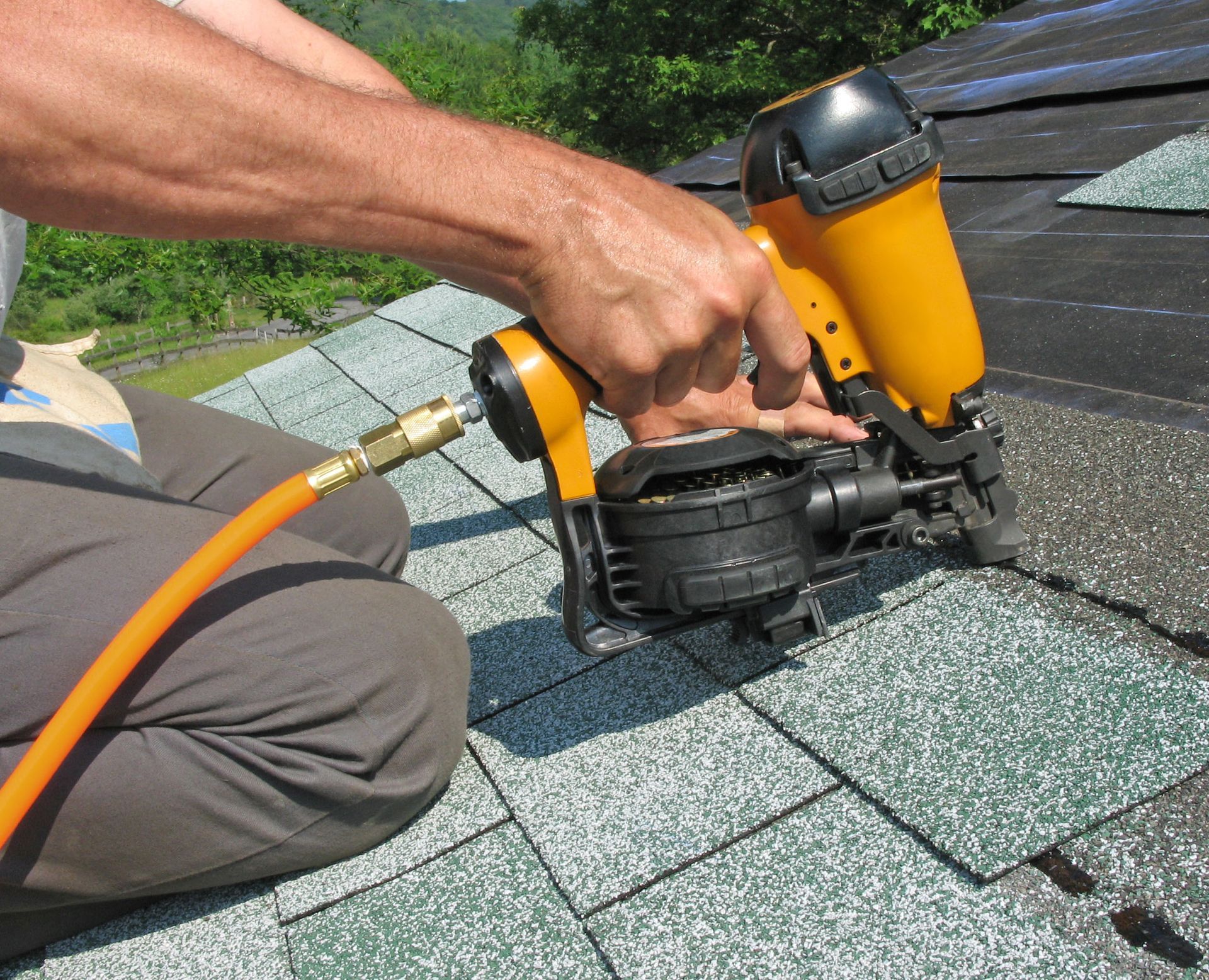
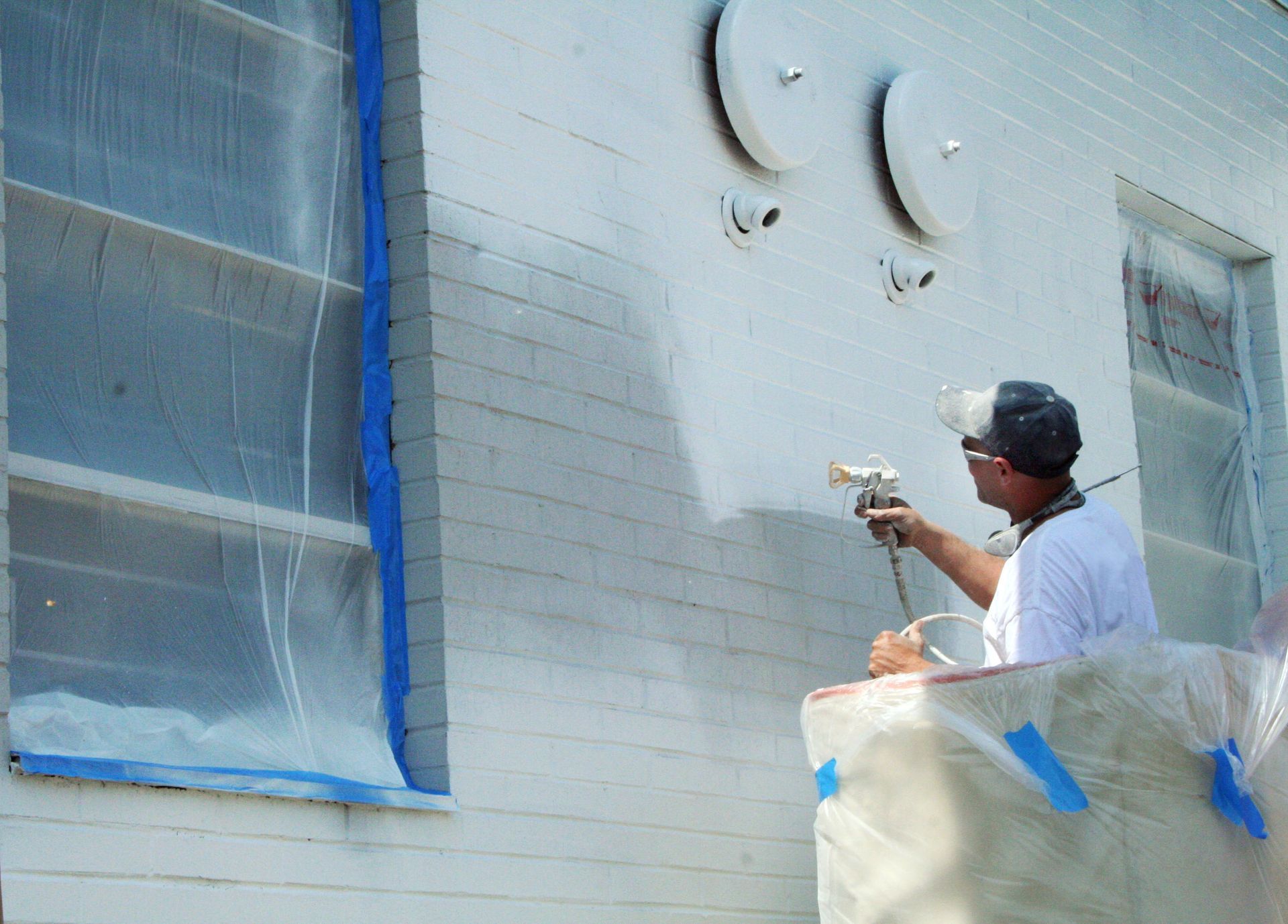
The tools and equipment used in your painting project significantly impact the efficiency and quality of the outcome. Inquire about the types of brushes, rollers, sprayers, and other equipment that will be used, and how these choices affect the application process. High-quality tools often mean a finer paint finish and reduced risks of application flaws. Your contractor's commitment to using the right tools is indicative of their on-the-job diligence and attention to detail. Knowledge of equipment being used allows you to set correct expectations and appreciate their effect on the final finish.
Inquiring About Safety Practices
Safety is paramount during any home improvement project, including exterior painting. Ask about the specific safety measures the contractor will implement to protect both their team and your property. This could include the use of personal protective equipment (PPE), keeping safe distances, securing ladders, and adherence to OSHA guidelines. A commitment to safety is a clear indication of a contractor's professionalism and concern for health and safety standards. Effective safety practices safeguard against accidental damage or injury, ensuring a seamless painting operation.
Embarking on an exterior painting project necessitates thorough planning, insightful questioning, and meaningful engagement with your painting contractor. This approach not only guarantees your satisfaction with the final result but also promotes an enjoyable, frustration-free project experience. By addressing all elements from scope, funding, and process to environmental awareness, you forge a smoother path toward your home improvement goal. If you're looking for exterior painting services, contact Fast Eddie's Home Services LLC today.