January 8, 2026
When it comes to managing household energy costs, many homeowners focus on HVAC systems or energy-efficient appliances, often overlooking one of the most impactful areas of the home: the roof. Proper roof insulation plays a critical role in maintaining a comfortable indoor environment while minimizing energy consumption. By reducing heat transfer through the roof, insulation can help you keep your home cooler in the summer and warmer in the winter. This translates directly into lower energy bills and a more sustainable living space.
Understanding the Function of Roof Insulation
Roof insulation works by creating a barrier that limits the transfer of heat between your home's interior and the outside environment. In warmer months, it prevents excessive heat from penetrating your living spaces, reducing the need for constant air conditioning and helping to maintain a more stable indoor temperature. During colder months, insulation keeps warmth inside, making your heating system more effective and reducing energy consumption significantly.
Without proper insulation, your HVAC system has to work harder to maintain a comfortable temperature, leading to higher energy bills and potential strain on your equipment. A skilled roofing contractor can assess your home's insulation needs, recommend materials that offer the best thermal performance for your climate and structure, and ensure a professional installation for long-lasting results.
Recognizing the Impact of Energy Efficiency
Many homeowners underestimate the effect roof insulation has on overall energy efficiency and the comfort of their living spaces. According to This Old House, a cool roof, designed with materials and colors that reflect sunlight and minimize heat absorption, can reduce indoor temperatures by almost six degrees in buildings without air conditioning. This demonstrates how proper roof design and insulation can directly reduce cooling costs and improve overall home efficiency.
By reflecting heat away from your home and maintaining consistent interior temperatures, insulation allows your HVAC system to operate more efficiently while lowering energy consumption. Roofing contractors can help homeowners select insulation solutions that complement cool roof materials, creating a complete energy-saving strategy for maximum benefits.
Evaluating the Benefits of Proper Installation
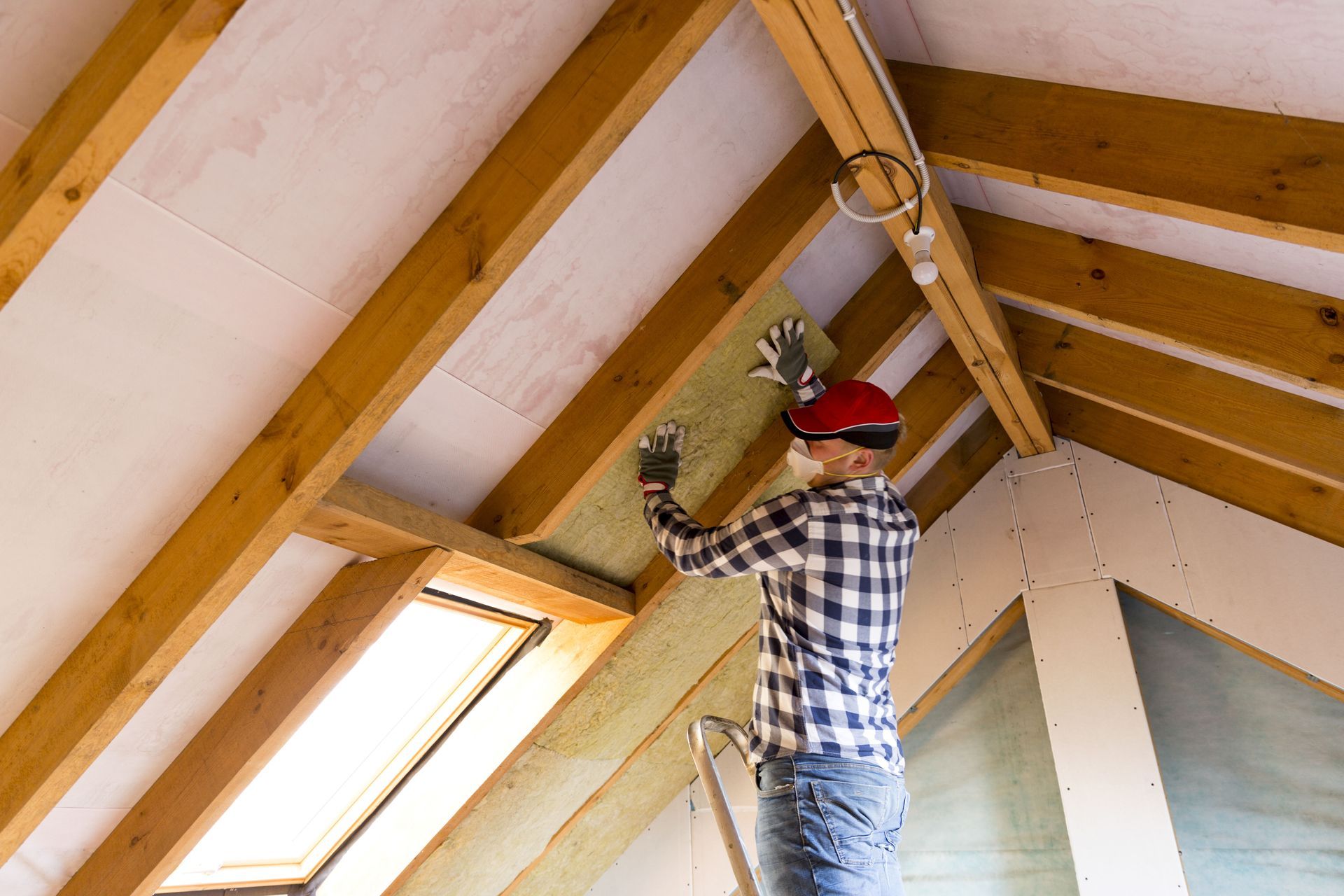
Even the best insulation materials will fail to deliver expected results if they aren't installed correctly, potentially leading to energy loss and discomfort. Poor installation can lead to gaps, compression, or moisture issues, all of which reduce effectiveness and may cause long-term damage. Engaging a qualified roofing contractor ensures that your insulation is properly placed, sealed, and protected against environmental factors that could compromise performance, while also maintaining code compliance.
Professional installation allows for integration with other roof features, such as ventilation systems, which are essential for preventing heat buildup and moisture damage over time. With proper installation, insulation becomes a long-term investment that improves comfort, reduces energy consumption, and extends the lifespan of your roofing system effectively.
Comparing Insulation Types for Your Home
Choosing the right type of roof insulation is another key step in achieving energy savings and maintaining indoor comfort throughout the year. Common options include fiberglass batts, spray foam, and rigid foam boards, each offering unique advantages depending on your home's design and climate conditions. Fiberglass is cost-effective and easy to install, while spray foam provides excellent air sealing and high R-values that improve thermal performance.
Rigid foam boards offer durability and moisture resistance, making them ideal for certain roofing applications or retrofit projects. A knowledgeable roofing contractor can evaluate your home's structure, existing insulation, and energy goals to recommend the most effective solution, ensuring that your investment provides measurable energy savings and optimal comfort over time.
Maximizing Savings Through Maintenance
Maintaining your roof and insulation is crucial to sustaining energy efficiency and preventing future repair costs. Over time, insulation can settle, compress, or become damaged, diminishing its ability to regulate temperature effectively and forcing HVAC systems to work harder. Roof leaks or ventilation issues can also compromise insulation performance, reducing overall efficiency.
Regular inspections by a roofing contractor allow homeowners to identify potential problems early, perform necessary maintenance, and address minor issues before they become costly repairs. Preventive maintenance not only protects your insulation but also enhances the overall longevity of your roofing system, ensuring consistent energy savings and lasting comfort in your home.
Integrating Insulation with Energy-Saving Roof Upgrades
Roof insulation works best when combined with other energy-efficient roofing strategies for maximum impact on energy bills. Upgrades such as reflective coatings, lighter-colored shingles, or green roof systems complement insulation by minimizing heat absorption and reducing thermal stress on your home. Together, these improvements create a comprehensive approach to controlling indoor temperatures, allowing HVAC systems to operate more efficiently.
Roofing contractors can help you design and implement these enhancements, ensuring compatibility with your existing roof and insulation while optimizing long-term performance. By integrating insulation with energy-saving upgrades, homeowners can maximize comfort, lower energy bills, and contribute to a more environmentally responsible and sustainable home.
Realizing Long-Term Environmental Benefits
Beyond immediate cost savings, roof insulation offers significant environmental advantages that contribute to a healthier planet. Reduced energy consumption means fewer greenhouse gas emissions from power generation, contributing to a smaller carbon footprint and promoting sustainability. Homes that maintain stable indoor temperatures with minimal reliance on heating and cooling systems reduce energy waste while enhancing comfort.
Roofing contractors play a vital role in guiding homeowners toward insulation solutions that align with eco-friendly practices and support energy conservation goals. By investing in roof insulation, you not only save money but also support long-term environmental health, create a more sustainable household, and positively impact your community and future generations.
Understanding the Value of Professional Expertise
While DIY insulation projects may seem appealing, professional expertise ensures optimal results and long-lasting performance. Roofing contractors have the training, tools, and experience to assess your home's insulation needs, recommend appropriate materials, and execute installation with precision to avoid common mistakes. Their knowledge extends to local building codes, ventilation requirements, and energy efficiency standards, which are essential for achieving maximum savings and maintaining comfort.
Hiring a roofing contractor also provides peace of mind, knowing that your insulation is installed correctly, will perform as intended, and is protected against future issues. Professional guidance allows homeowners to enjoy the full benefits of reduced energy bills and improved indoor comfort consistently.
Planning for Upgrades and Future Savings
Homeowners should view roof insulation as a long-term investment in energy efficiency, comfort, and overall home performance. Planning for upgrades, whether through adding insulation, installing a cool roof, or integrating complementary energy-saving features, ensures lasting benefits and enhanced indoor comfort. Consulting with a roofing contractor during renovations or new construction allows for a coordinated approach that maximizes performance, energy savings, and structural integrity.
Regularly evaluating your insulation system in the context of evolving energy costs, climate conditions, and technological advancements helps maintain optimal efficiency. Thoughtful planning and professional advice ensure that your roof continues to contribute to lower energy bills and a healthier home for years to come.
Roof insulation is an essential component of any home's energy management strategy. By understanding its function, choosing the right materials, ensuring proper installation, and integrating complementary upgrades, homeowners can significantly reduce energy bills and enhance indoor comfort.
Proper insulation also helps protect your roof structure, prevents moisture damage, and can even increase the overall lifespan of your home. Investing in roof insulation isn't just a way to save money; it's a step toward a more sustainable and comfortable home. Contact Fast Eddie's Home Services today to schedule a consultation and start reducing your energy bills with expert roof insulation solutions.