January 6, 2026
Replacing your roof is a major home improvement project, and knowing what to expect can make the entire experience far less stressful. From the first inspection to the final cleanup, understanding each phase helps you prepare your home, your schedule, and your expectations. When working with experienced local residential roofers, the process is typically organized, efficient, and focused on protecting both your property and your investment.
Understanding the Initial Inspection and Planning
The roof installation process begins long before the first shingle is removed. A thorough inspection allows contractors to assess the current roof’s condition, identify underlying issues, and determine the scope of work. This includes checking for damaged decking, ventilation problems, and signs of moisture intrusion that may not be visible from the ground.
During this phase, local roofers will also discuss material options, timelines, and budget considerations. Measurements are taken, estimates are prepared, and permits are reviewed if required by local regulations. According to This Old House, an average roof lasts between 25 and 50 years, depending on the quality, durability, and type of roofing material. This makes the planning stage critical, as material choice directly impacts how long your new roof will protect your home.
Preparing Your Home and Property
Once the project is scheduled, preparation becomes essential. Homeowners are often advised to clear driveways, move vehicles, and remove outdoor furniture or decorations near the work area. Inside the home, vibrations from hammering can cause items on walls or shelves to shift, so securing fragile items is a smart precaution.
Professional local residential roofers typically take steps to protect landscaping and siding by using tarps and plywood barriers. They may also discuss noise levels and daily work hours so you can plan accordingly. Proper preparation helps minimize disruptions and reduces the risk of accidental damage during installation.
Removing Old Roofing Materials
The first visible stage of installation is the removal of the existing roof. This process, often called a “tear-off,” involves stripping away old shingles, underlayment, and flashing down to the roof deck. While this stage can look chaotic, it is a necessary step to ensure the new roof is installed on a solid foundation.
During removal, contractors inspect the decking for rot or structural damage. Any compromised sections are replaced before proceeding. Skilled local roofers manage debris carefully, using designated disposal areas or dumpsters to keep the job site as clean and safe as possible throughout the day.
Inspecting and Repairing the Roof Deck
With the old materials removed, the roof deck is fully exposed for inspection. This step is crucial because the deck supports the entire roofing system. Even minor issues, if left unaddressed, can shorten the lifespan of a new roof.
Contractors look for soft spots, water damage, or improper spacing between boards. Repairs or replacements are completed before moving forward. Working with reputable local roofers ensures these issues are handled correctly rather than covered up, which helps protect your home from future leaks and structural problems.
Installing Underlayment and Protective Barriers
After the deck is prepared, protective layers are installed to create a moisture-resistant barrier. Underlayment, often made from synthetic materials or felt, acts as a secondary line of defense against water infiltration. In vulnerable areas like valleys, eaves, and around chimneys, additional waterproof membranes may be applied.
This stage is especially important in regions that experience heavy rain, snow, or ice. Proper installation by experienced local roofers helps prevent common problems such as ice dams and wind-driven rain leaks. Though largely hidden once the shingles are installed, these layers play a major role in roof performance and longevity.
Installing Shingles and Roofing Materials
The most recognizable phase of the project is the installation of shingles or other roofing materials. Whether you’ve chosen asphalt shingles, metal panels, tile, or another option, this stage transforms the appearance of your home.
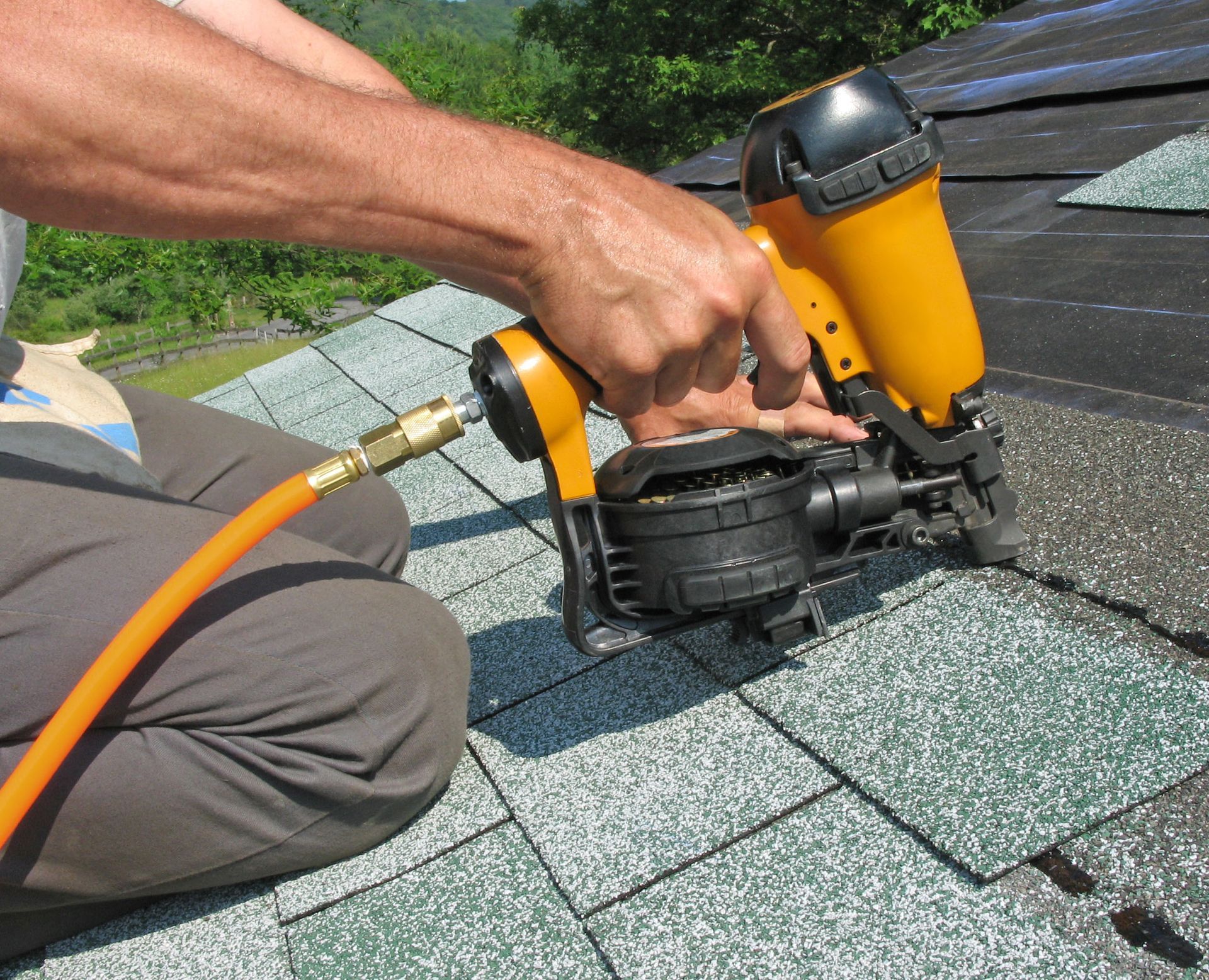
Contractors follow manufacturer specifications closely, ensuring proper alignment, fastening, and overlap. Attention to detail during this phase affects not only aesthetics but also wind resistance and durability. Trusted local residential roofers understand how climate, roof pitch, and material type influence installation techniques, which helps ensure the roof performs as intended for decades.
Adding Flashing, Ventilation, and Finishing Touches
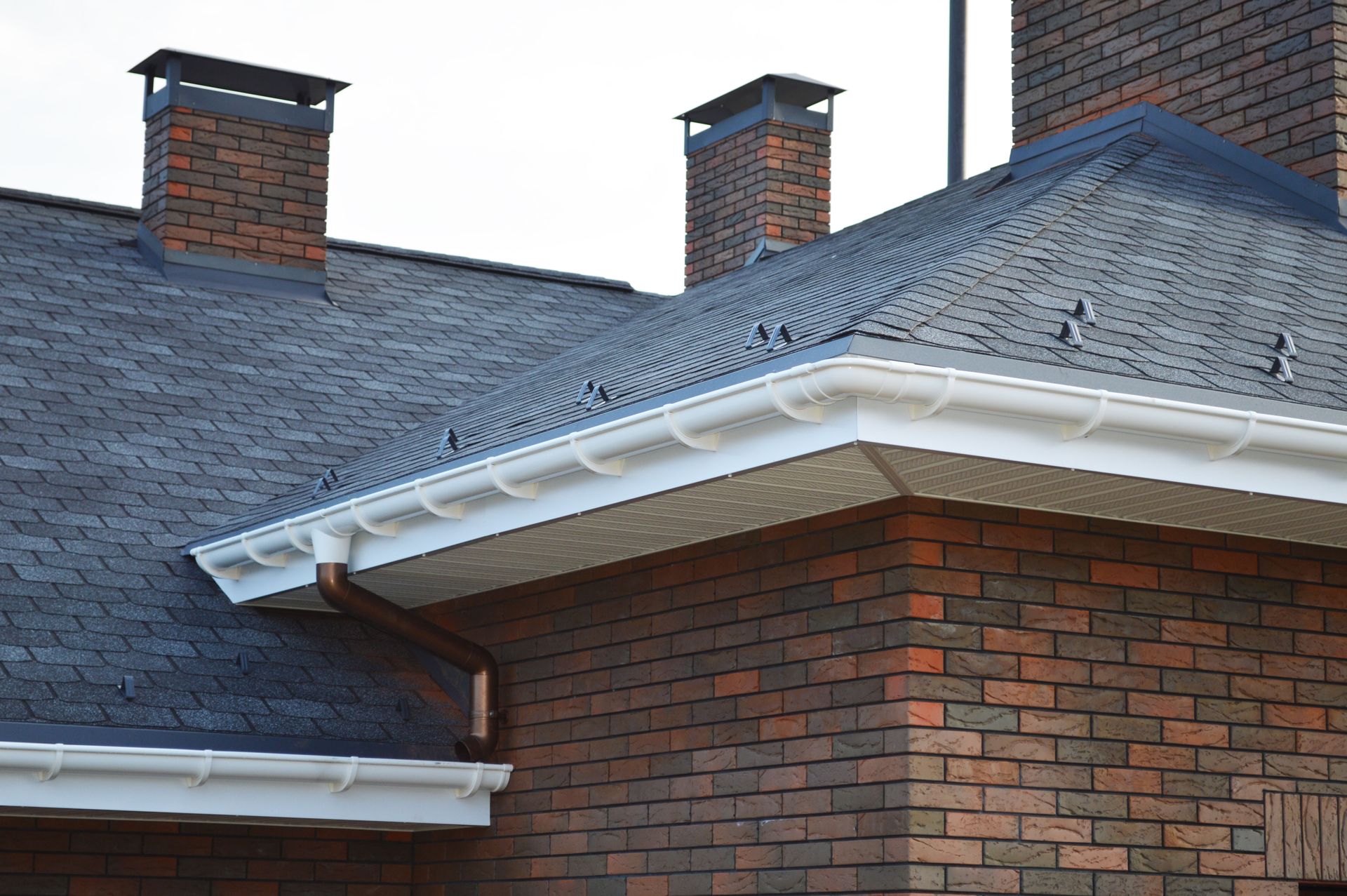
Once the main roofing material is in place, attention shifts to flashing, ventilation components, and other finishing details. Flashing is installed around chimneys, skylights, vents, and roof edges to direct water away from vulnerable joints.
Proper ventilation is also addressed at this stage, as it plays a key role in regulating attic temperature and moisture levels. Ridge vents, soffit vents, or other systems may be installed or upgraded. Skilled local roofers ensure these components work together, helping to prevent issues like premature shingle aging, mold growth, and higher energy costs.
Managing Safety and Daily Cleanup
Roof installation involves significant safety considerations, both for workers and homeowners. Professional crews follow safety protocols, use harnesses and protective equipment, and secure ladders and tools properly. Homeowners are typically advised to keep children and pets away from the work area during the project.
Daily cleanup is another important aspect of the process. Crews usually remove debris, stray nails, and discarded materials at the end of each day. Many local residential roofers use magnetic tools to collect nails from driveways and lawns, helping to maintain a safe environment throughout the installation period.
Conducting the Final Inspection and Walkthrough
After installation is complete, a final inspection ensures everything meets quality standards and local building codes. Contractors check for proper installation, secure flashing, and consistent shingle alignment. Any remaining debris is removed, and gutters may be cleared of roofing materials.
Homeowners are often invited to participate in a walkthrough, during which the contractor explains key features of the new roof and addresses any questions. Reputable local roofers also provide warranty information and maintenance tips to help you protect your investment over time.
Understanding Post-Installation Care and Expectations
Once your new roof is installed, it’s normal to notice minor details settling into place. For example, shingles may take some time to fully seal, and occasional granules may wash into gutters after the first few rains. These are typically normal and not cause for concern.
Regular maintenance, such as periodic inspections and gutter cleaning, helps extend the life of your roof. Establishing a relationship with local residential roofers for future inspections or repairs can make ongoing care more convenient and effective.
Planning Confidently for the Future
Roof replacement is not just about addressing current issues; it’s about planning for decades of protection. Choosing the right materials, working with skilled professionals, and understanding the installation process all contribute to a successful outcome.
By knowing what happens at each step, you can prepare your home and family while ensuring the project runs smoothly. With the help of knowledgeable local roofers, your new roof can be a long-lasting asset that safeguards your home for years to come.
A new roof installation may seem overwhelming, but understanding the process makes it far more manageable. From preparation and material selection to final inspection and care, each step plays an important role in long-term performance. Working with experienced local residential roofers helps ensure your investment delivers reliable protection and lasting value. If you are looking for professional roofers, contact Fast Eddie's Home Services LLC to learn more and get started!